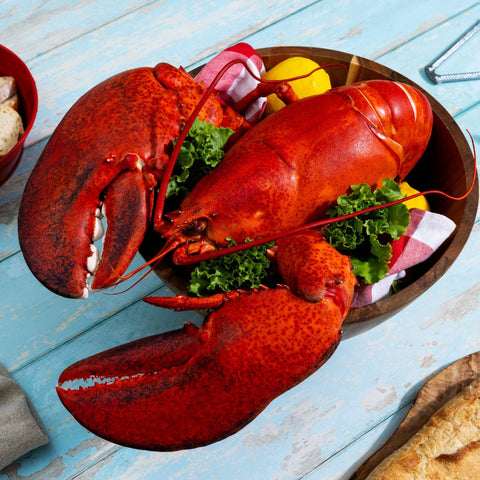
Seafood can add protein, vitamins and variety to a balanced diet. The benefits depend on the species, serving size and preparation. A serving of live lobster or snow crab is different from a fried seafood platter with a rich sauce.
1. Protein for everyday meals
Fish and shellfish provide protein. Build a meal around lobster meat, king crab or shrimp, then add vegetables and a side that suits your appetite. Check the product’s Nutrition Facts for the serving you actually plan to eat.
2. Vitamin B12
Vitamin B12 helps maintain blood and nerve cells. Fish and shellfish can contribute B12, with clams and oysters among the richest food sources. Amounts vary, so avoid assuming all seafood provides the same quantity. See the NIH vitamin B12 guide.
3. Omega-3 fats
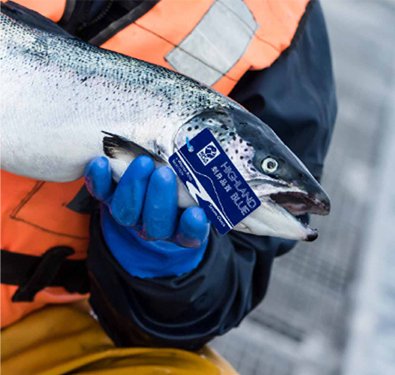
Fatty fish such as salmon generally provide more EPA and DHA omega-3 fats than lean fish and most shellfish. mussels and other seafood can add variety, but lobster and crab should not be described as nutritionally interchangeable with salmon. The NIH omega-3 fact sheet explains the differences.
4. Vitamins and minerals vary by species
Seafood can contribute nutrients such as selenium, iodine, vitamin D and zinc. The amounts differ across fish and shellfish. Use the label or a reliable nutrient database for a specific product instead of assigning the same nutrient claims to every species.
5. Flexible preparation
Steam, bake or grill seafood and control the amount of added butter, salt and sauce. For lobster tails, try lemon and herbs alongside a modest portion of butter. With scallops, a simple pan sear lets the flavor stand on its own.
6. A useful part of a heart-conscious eating pattern
FDA describes potential heart-health benefits from eating fish as part of an overall healthy eating pattern. That does not mean a particular seafood dish prevents a heart attack or treats a medical condition. Portions, accompaniments and your overall diet matter.
7. An easy starting point for a balanced plate
Serve king crab legs or snow crab legs with a crisp salad, roasted vegetables and a grain or potato side. Keep sauces on the side so everyone can choose how much to add.
8. Seafood choices during pregnancy
FDA and EPA recommend 8–12 ounces weekly of a variety of lower-mercury seafood during pregnancy or breastfeeding. Follow their fish-choice chart and serving guidance, and eat seafood fully cooked. This is guidance about an eating pattern, not a promise that an individual food improves pregnancy outcomes.
9. Variety makes meal planning easier
Rotate between fish and shellfish you enjoy. Maine lobster, Alaskan king crab and clams offer different flavors and textures. Variety helps keep weekly dinners interesting without relying on exaggerated health claims.
10. Good handling protects the meal
Keep seafood at the temperature directed on its label and follow reliable cooking instructions. Plan to cook live lobster on arrival, and follow the handling directions for fresh mussels. Check allergens and ask your clinician about dietary restrictions that apply to you.
Seafood is food, not a treatment for depression, arthritis, cancer or other diseases. Choose it for its flavor, nutrition and place in a varied diet. For more detail, consult FDA’s seafood nutrition advice and seafood handling guidance.